
"unwashed coffee"
600 article(s) found
Yega Sheffield grades are mainly defective beans. Is Arabica coffee beans expensive?
Professional coffee knowledge exchange more coffee bean information please follow the coffee workshop (Wechat official account cafe_style) Front Street-Yega Xuefei grading introduction Ethiopia Mercantile Exchange (ECX-Ethiopia Commodity Exchange) is an agricultural market where buyers and sellers come together to trade to ensure quality, delivery and payment. ECX's vision is to become
Innovative treatment of coffee beans difference of three processing methods of coffee beans: sun exposure, washing and honey treatment
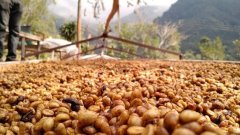
Innovative treatment methods have become a trend in recent years, and many brand-new or deformed treatment methods continue to appear, bringing many different taste spectrum experiences. But also because of the emergence of these treatments. Simply cite the classification of several traditional treatments in previous years, such as solarization (Unwashed/Natural), honey (Honey Process) or peeling (Pulp Nat).

How are Ethiopian coffee beans graded? What's the difference between G1 and G3?
Professional coffee knowledge exchange more coffee bean information Please pay attention to the coffee workshop (Wechat official account cafe_style) often see Essel beans packaging written on what G1, G2, G3, what do these represent? What is the difference between them? The grading of Ethiopian coffee beans first of all, the Ethiopian Ministry of Agriculture has a person called CLU (Cupping and Liquoring Unit).

Is the coffee sour in Brazil? How should I drink Brazilian coffee? What are the characteristics of Brazilian coffee?
The characteristics of Brazilian coffee Brazilian coffee generally refers to coffee produced in Brazil. There is a wide variety of Brazilian coffee, the vast majority of which are unwashed and sun-dried, classified according to the name of the state of origin and the port of transport. Brazil has 27 states and 17 states produce coffee, but four of them produce the largest, accounting for 98% of the country's total output. Brazilian coffee has a lower taste.

Brazilian coffee flavor Brazilian coffee characteristics Brazilian coffee beans Brazilian coffee brand Brazilian coffee
Brazilian coffee generally refers to coffee produced in Brazil. There is a wide variety of Brazilian coffee, the vast majority of which are unwashed and sun-dried, classified according to the name of the state of origin and the port of transport. Brazil has 21 states and 17 states produce coffee, but four of them produce the largest, accounting for 98% of the country's total output. Brazilian coffee has a low sour taste, which goes well with coffee.

Central and South American coffee beans Brazilian coffee beans Brazilian boutique coffee
Brazilian coffee generally refers to coffee produced in Brazil. There is a wide variety of Brazilian coffee, the vast majority of which are unwashed and sun-dried, classified according to the name of the state of origin and the port of transport. Brazil has 21 states and 17 states produce coffee, but four of them produce the largest, accounting for 98% of the country's total output. Brazilian coffee has a low sour taste.

Let me introduce you to Brazilian coffee.
Brazil is vividly compared to the "giant" and "monarch" of the coffee world.

Brazilian coffee flavor Brazilian coffee characteristics
Brazilian coffee generally refers to coffee produced in Brazil. There are many kinds of coffee in Brazil. Like other Arabica coffee, Brazilian coffee is called Brazils to distinguish it from Milds coffee. The vast majority of Brazilian coffee is unwashed and sun-dried and is classified according to the name of the state of origin and port of transport. Brazil has 21 states and 17 states produce coffee, but four of them produce the most coffee.

Brazilian coffee flavor Brazilian coffee characteristics
Brazilian coffee generally refers to coffee produced in Brazil. There is a wide variety of Brazilian coffee, the vast majority of which are unwashed and sun-dried, classified according to the name of the state of origin and the port of transport. Brazil has 21 states and 17 states produce coffee, but four of them produce the largest, accounting for 98% of the country's total output. Brazilian coffee has a low sour taste, which goes well with coffee.

Brazilian coffee flavor Brazilian coffee characteristics
Brazilian coffee generally refers to coffee produced in Brazil. There is a wide variety of Brazilian coffee, the vast majority of which are unwashed and sun-dried, classified according to the name of the state of origin and the port of transport. Brazil has 21 states and 17 states produce coffee, but four of them produce the largest, accounting for 98% of the country's total output. Brazilian coffee has a low sour taste, with coffee.

Brazilian Coffee Flavors Brazilian Coffee Features
Brazilian coffee refers to coffee produced in Brazil. There are many types of Brazilian coffee, most of which are unwashed and dried. They are classified according to the state of origin and port of shipment. Brazil has 21 states, 17 of which produce coffee, but four of them produce the most, accounting for 98% of the country's total production. Brazilian coffee has a low acidity in the taste, which is matched with coffee

A detailed explanation of the coffee term non-washed coffee
Unwashed coffee (Un-washed Coffee): or (natural), (naturally dried). Non-washing coffee: after the coffee fruit is naturally dried by the sun, the pulp and peel is removed by the sheller, and the quality of the coffee is unstable.
Understanding Brazilian Coffee
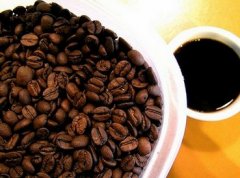
Brazilian coffee taste with a low acidity, with the sweet and bitter taste of coffee, the entrance is extremely smooth, but also with a touch of grass aroma, in the fragrance slightly bitter, sweet smooth mouth, aftertaste can make people comfortable and carefree.

Ethiopian Hambera Coffee 5.0 Sidama Coffee Flavor Taste Characteristics Introduction
Professional coffee knowledge exchange More coffee bean information Please pay attention to coffee workshop (Weixin Official Accounts cafe_style) Several important Ethiopian coffee producing areas, such as Yejiashev and Sidamo, have received considerable attention in recent years. Guji is also a part of Oromia Asia, southwest Ethiopia, south of Addis Ababa, the capital.
Brazilian coffee coffee basic knowledge
Brazil has been figuratively compared to the giants and kings of the coffee world. There are about 3.97 billion coffee trees, and small farmers now grow 75 percent of Brazil's coffee. Brazil has twice or even three times as many coffee producers as Colombia, which is the world's second-largest coffee producer. Brazilian coffee refers to coffee produced in Brazil. Brazilian coffee types

High-quality coffee beans common sense and practical knowledge of raw beans
The original species of Arabica can be divided into washed (washed) and non-washed (Unwashed) (correctly, the original Robusta can also be distinguished in this way, but it is rare for robusta to adopt the washing type). In the raw capital state, the endocarp of the central fissure (center cut) is brownish yellow, which is the coffee bean treated by non-washing refining method, and is grayish green.

The latest introduction of fine coffee, raw beans, Brazilian coffee
Brazilian coffee generally refers to coffee produced in Brazil. There is a wide variety of Brazilian coffee, the vast majority of which are unwashed and sun-dried, classified according to the name of the state of origin and the port of transport. Brazil has 27 states and 17 states produce coffee, but four of them produce the largest, accounting for 98% of the country's total output. Brazilian coffee has a low sour taste, which goes well with coffee.

Brazil is the world's largest coffee producer
Brazilian coffee refers to coffee produced in Brazil. There are many types of Brazilian coffee, most of which are unwashed and dried. They are classified according to the state of origin and port of shipment. Brazil has 21 states, 17 of which produce coffee, but four of them produce the most, accounting for 98% of the country's total production. Brazilian coffee has a low acidity in the taste, and it is accompanied by coffee

Why can Brazil become a big coffee producer?
Brazilian coffee generally refers to coffee produced in Brazil. There is a wide variety of Brazilian coffee, the vast majority of which are unwashed and sun-dried, classified according to the name of the state of origin and the port of transport. Brazil has 21 states and 17 states produce coffee, but four of them produce the largest, accounting for 98% of the country's total output. Brazilian coffee has a low sour taste, which goes well with coffee.

Brazilian boutique coffee Brazilian coffee latest news Brazilian coffee company
Brazilian coffee has always been loved and respected by many coffee lovers. The flavor of Brazilian coffee has been developed since its production, and it has been given more unique flavor by the renewal of successive dynasties and the development of the times. Brazilian coffee generally refers to coffee produced in Brazil. There are many kinds of Brazilian coffee, most of which are unwashed and sun-dried, according to the name of the state of origin.